Seasonal Undercoating Service: When Your Heavy Equipment Needs Extra Protection
In heavy machinery management, ensuring longevity, structural integrity, and peak operational performance is paramount for maintaining profitable operations. Heavy equipment operates in some of the most unforgiving environments imaginable, constantly exposed to moisture, harsh chemicals, abrasive dirt, and seasonal weather extremes. An essential but frequently overlooked solution to safeguard these high-value investments is a seasonal undercoating service. Understanding precisely when and why your heavy equipment requires this specialized protective barrier helps avoid catastrophic component failures, reduces costly emergency repairs, minimizes project downtime, and maximizes overall return on investment. Protecting machinery undercarriages ensures your daily operations continue uninterrupted, regardless of environmental factors, terrain challenges, or severe weather changes.
According to Market Intelo, the undercoating and rustproofing service market reached about USD 2.3–2.8 billion in 2024 and is projected to grow at roughly 6% per year, driven partly by fleet and heavy-equipment operators seeking to extend asset life and cut downtime.
Investing in comprehensive surface protection is a direct operational necessity that impacts the financial bottom line of construction firms, agricultural businesses, and municipal fleet managers alike. Machinery that is left exposed to corrosive elements suffers rapid degradation, resulting in premature structural fatigue, compromised hydraulic lines, and electrical shorts located near the undercarriage. By implementing a proactive schedule for undercarriage preservation, equipment managers can successfully hedge against inflation in capital equipment costs by keeping existing machinery on the job site far longer.
Understanding Undercoating Basics and Benefits
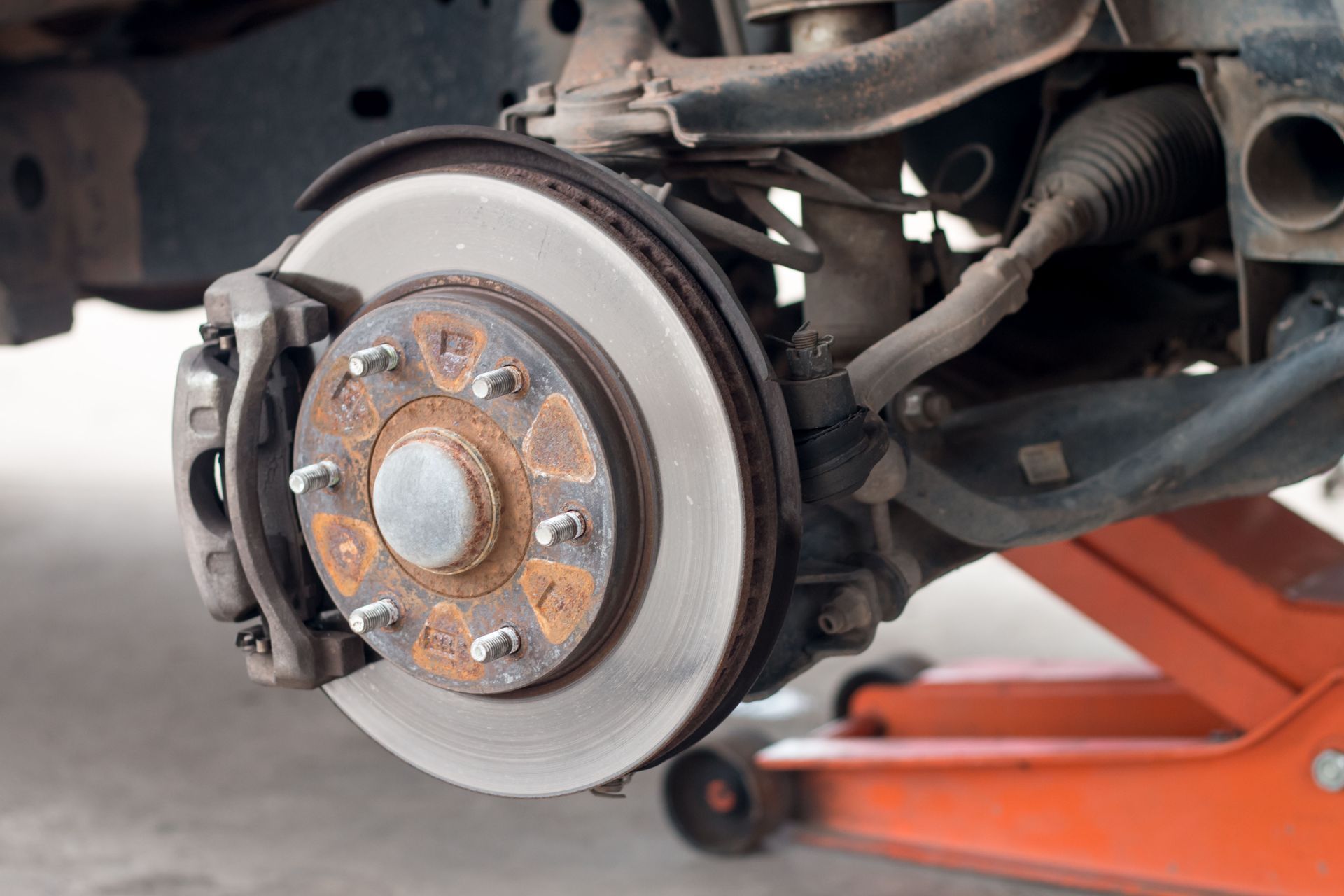
Undercoating serves as a specialized, heavy-duty protective layer applied directly to the frame, structural beams, wheel wells, and exposed mechanical undercarriage of heavy machinery. A professional undercoating service acts as an integral shield against moisture, road salt, chemical runoff, acidic soils, and ambient contaminants that relentlessly degrade bare metal over time. Typically applied as a dense fluid or viscous compound that cures into a resilient, self-healing barrier, it preserves vital structural integrity under demanding job-site conditions while helping maintain long-term asset resale value.
The primary benefits of this treatment extend well beyond basic rust prevention. A professional application creates an effective sound-dampening barrier that absorbs operational cab noise and structural vibration, improving operator comfort and safety during long shifts. Furthermore, it significantly enhances impact resistance against flying gravel, rocks, and hard job-site debris that would otherwise chip bare factory coatings and expose raw steel to oxidation. Over time, this defense drastically reduces ongoing routine maintenance expenses, prevents frozen or rusted chassis fasteners, and extends overall equipment lifespan across all severe working environments.
Equipment operators can choose from several specialized material options based on their specific operational demands. Flexible rubberized formulas offer excellent impact resistance and sound deadening, making them ideal for high-speed transport equipment. Durable asphalt-based compounds provide thick, long-lasting moisture barriers tailored for heavy excavation and construction machinery. Advanced polyurethane and oil-wax coatings offer superior chemical resistance and high surface creep, allowing the formula to penetrate tight seams and crevices. Selecting the correct material depends on your specific machinery types, local climate conditions, operating speeds, and daily exposure to abrasive or corrosive substances.
Recognizing Seasonal Threats to Heavy Machinery
Winter presents severe hazards to exposed machinery components due to continuous contact with snow, slush, ice, and highly corrosive chemical deicing agents like sodium chloride and calcium chloride. These road salts rapidly accelerate chemical corrosion on unprotected metal surfaces, eating through structural steel and critical mechanical linkages. Furthermore, freezing temperatures cause metals to contract, creating microscopic surface fractures where trapped moisture can freeze, expand, and lead to early structural fatigue, seal failures, or severe hydraulic hose degradation.
As winter fades, spring thaws introduce moisture-heavy mud and consistent rainfall that pack tightly into complex undercarriage crevices. Trapped mud retains corrosive dampness long after surface drying occurs, accelerating hidden rust in areas that standard pressure washing cannot easily reach. Meanwhile, autumn brings decaying leaf mold, agricultural acid, and early frost, making a fall application of an undercoating service vital for sealing metal before winter weather arrives.
Summer heat introduces high ambient temperatures and intense ultraviolet radiation that accelerate oxidation and prematurely dry out untreated rubber seals and exposed components. Regional environmental threats, such as coastal salt air in maritime zones, heavy humidity in swampy climates, or abrasive silica dust in arid deserts, further exacerbate undercarriage wear. Implementing tailored seasonal protection strategies ensures machinery stays fully operational and structurally sound year-round, regardless of local geographic challenges.
Timing Your Application Around Season Changes
Pre-winter preparation remains the single most critical timeframe for applying protective treatments to commercial fleet assets. Scheduling a professional undercoating service during early autumn seals raw metal surfaces before ambient moisture, road slush, and winter chemicals can penetrate vulnerable frame joints. Performing thorough pre-season inspections at this time helps technicians identify worn spots, frame stress lines, or scraped sections that require touch-ups before severe freezing conditions and heavy salt exposure arrive.
Post-winter inspections are equally vital to verify structural health after months of cold-weather operation. Technicians must check for physical winter damage, wash away deeply embedded salt crusts, and repair any breached protective layers caused by extreme impacts or heavy scraping. Re-applying coverage or performing spot maintenance following harsh weather ensures winter deicing agents do not linger in sensitive structural frame pockets as seasonal temperatures begin rising into hot spring and summer months.
Establishing an annual, predictable maintenance schedule ensures seamless protection across every active operating cycle. Proper undercarriage care during off-season storage, combining thorough high-pressure washdowns, dry storage prep, and fresh coating applications, prevents silent corrosion from developing while equipment sits idle between major project contracts or seasonal job cycles
.
Choosing the Right Professional Provider
Selecting a trustworthy, highly experienced provider ensures superior application quality and long-term asset security. Top-tier service providers employ certified technicians who possess an in-depth understanding of heavy equipment frame designs, delicate electrical routings, hydraulic line layouts, and rigorous surface preparation standards. Established partners utilize industrial-grade compounds that deliver consistent layer thickness, optimal flexibility, and reliable surface adhesion that will not prematurely flake or wash away.
Evaluating service guarantees, industry certifications, and provider experience offers equipment owners true peace of mind. Comprehensive service warranties demonstrate a vendor's ultimate confidence in their workmanship and product performance over time. At the same time, recognized industry accreditations confirm strict adherence to modern environmental, personal safety, and application protocols during the treatment process.
Conducting a comprehensive cost analysis reveals that premium protective services yield substantial financial returns over the life of an asset. When fleet managers factor in reduced structural component failures, fewer emergency service calls, reduced job-site downtime, and maximized trade-in or auction values at retirement, it becomes clear why professional undercarriage protection remains a smart, essential capital investment.
Evaluating Application Methods and Future Trends
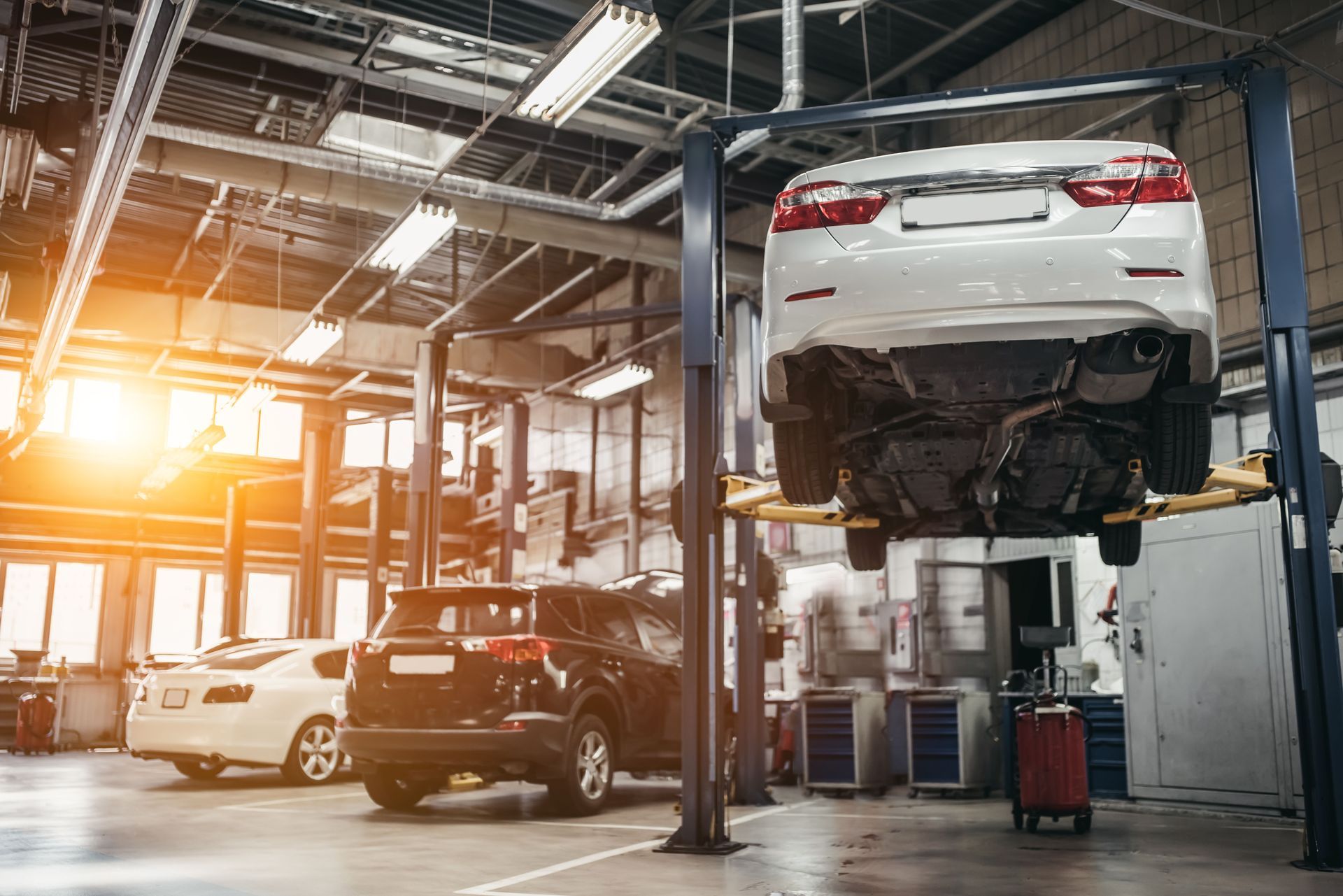
While do-it-yourself aerosol kits or manual brush-on coatings offer initial cost flexibility, application errors like incomplete surface cleaning, inadequate drying time, or uneven spray coverage can trap hidden moisture directly against bare metal. Professional undercoating service providers utilize high-pressure commercial spray systems, specialized lift bays, high-reach wands, and purpose-formulated industrial compounds to ensure total seal integrity without missing critical pockets, internal frame rails, or hidden linkages.
Rapid advancements in material science continue to drive innovation across the industrial equipment protection industry. Modern self-healing polymers automatically close over small stone chips, low-VOC eco-friendly formulations eliminate harsh solvent off-gassing, and specialized creep-enabled wax formulations offer longer protection intervals with superior coverage around complex mechanical assemblies and electrical harnesses.
Emerging technology integrations, such as smart fleet sensors and telematics that monitor structural vibration, moisture levels, and environmental exposure, allow fleet managers to schedule predictive maintenance rather than reacting to damage after it occurs. Investing in modern, innovative protective strategies shields critical fleet assets from environmental degradation and keeps heavy equipment performing at its peak. For more information about the services that we offer, reach out to our incredible team at Coulee Rentals and Sales today!
Share On: