6 Questions to Ask Before Renting Heavy Equipment
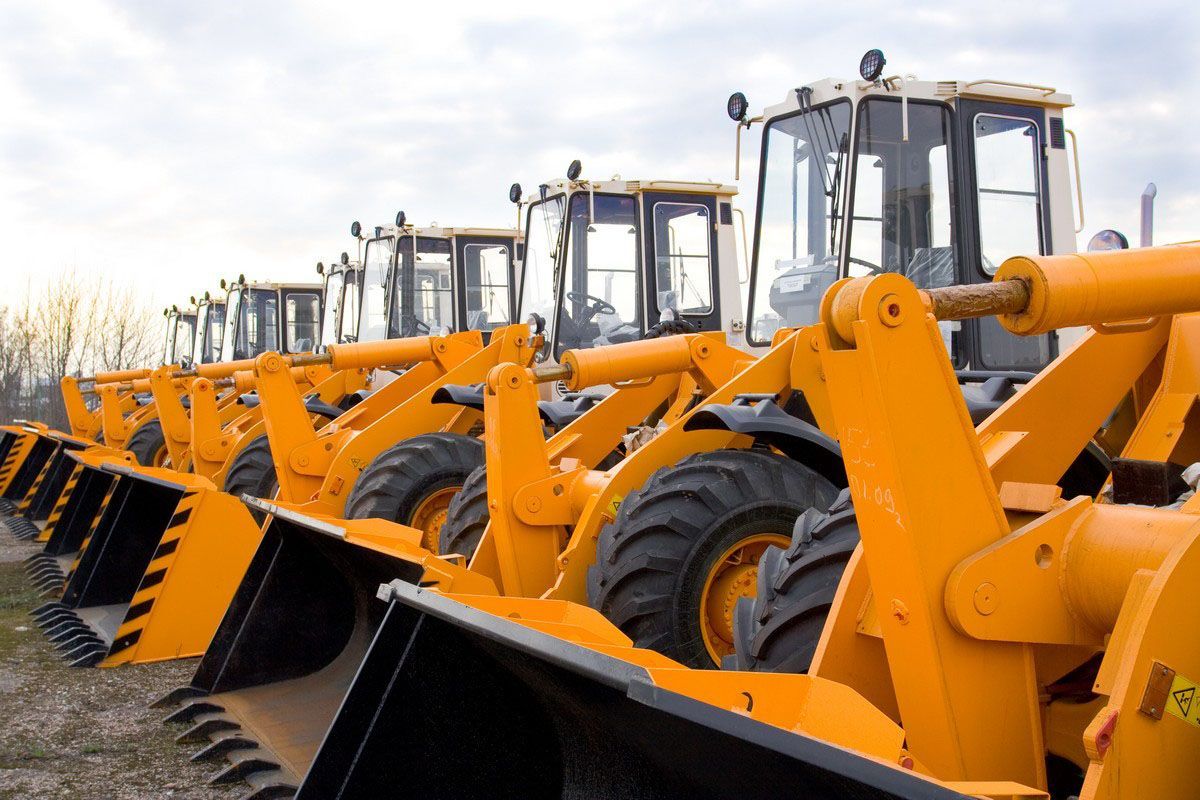
Renting equipment instead of buying can help construction and industrial projects manage costs, timelines, and changing equipment needs. Rather than investing in machinery that may only be needed for a specific project, renting can provide access to the equipment required when it is needed. However, choosing the right machinery involves more than comparing rental rates. Taking time to evaluate the details can also make it easier to anticipate potential challenges before equipment arrives on-site. Asking the right questions in advance can help prevent unexpected expenses, reduce downtime, and keep the project moving efficiently. For many construction teams, heavy equipment rentals can provide the flexibility needed to manage changing project demands without purchasing additional machinery.
1. What Are the Rental Terms and Conditions?
Understand the Rental Period
The rental period should closely match the project's schedule. Paying for equipment that sits unused can unnecessarily increase costs, while extending a rental at the last minute may come with additional fees. Ask how the rental period is calculated and whether the agreement allows you to extend or shorten the term. Understanding these details makes it easier to coordinate equipment with different project phases and get the most value from heavy equipment rentals.
Review Insurance and Liability
Insurance and liability requirements should be clearly outlined before equipment arrives at the job site. Ask what coverage you must provide and what responsibilities remain with the rental company. Understanding who is responsible for theft, damage, accidents, and other incidents can help reduce financial risk and prevent disagreements during the rental period.
Clarify Maintenance and Repairs
Maintenance responsibilities can vary between rental agreements. Determine who handles routine maintenance, repairs, and equipment replacement if a major problem occurs. It is also helpful to understand how quickly technical issues are addressed and whether repair services are included in the rental arrangement. Clear expectations can help limit downtime and unexpected expenses.
2. Is the Equipment Right for the Project?
Compare Equipment Specifications
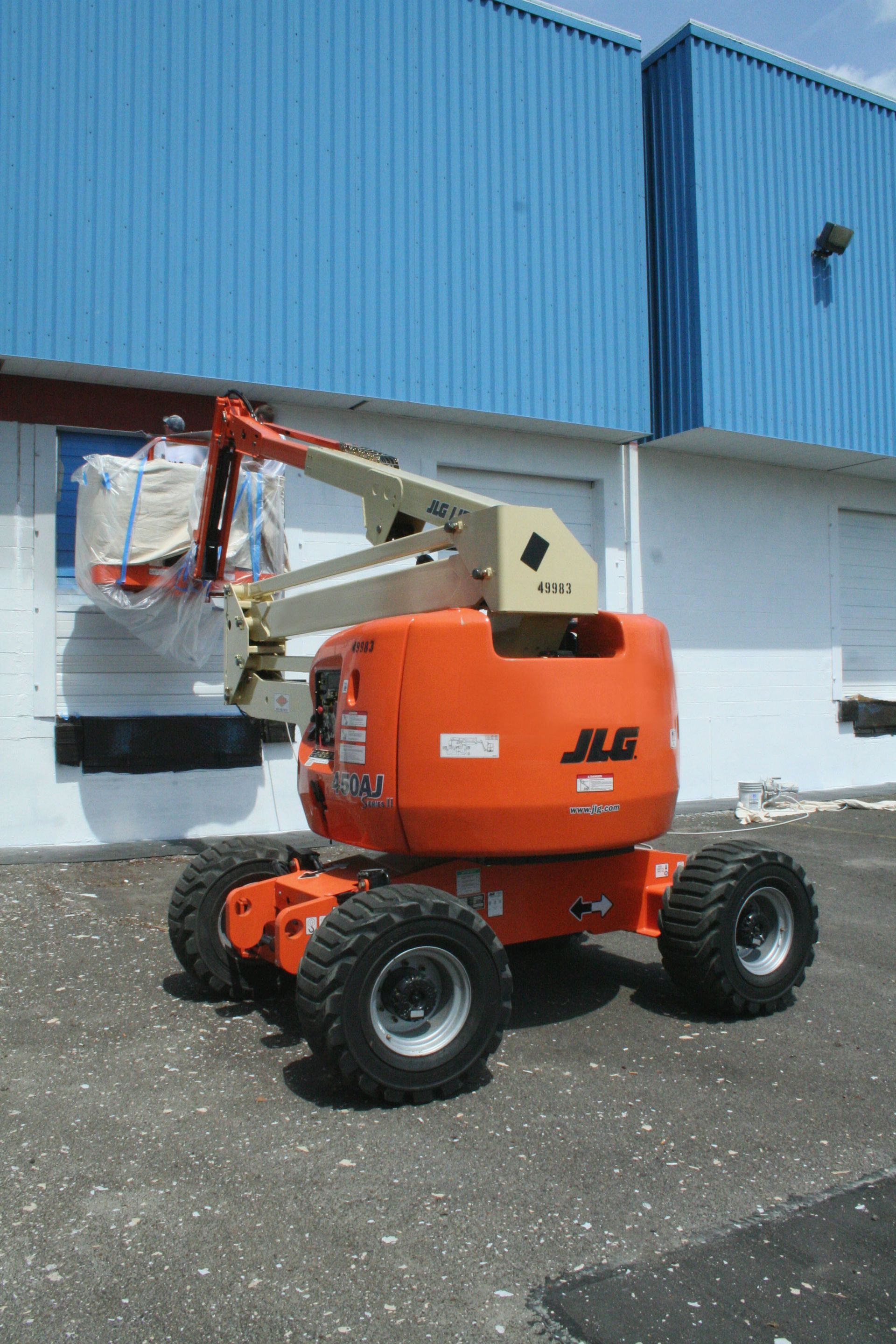
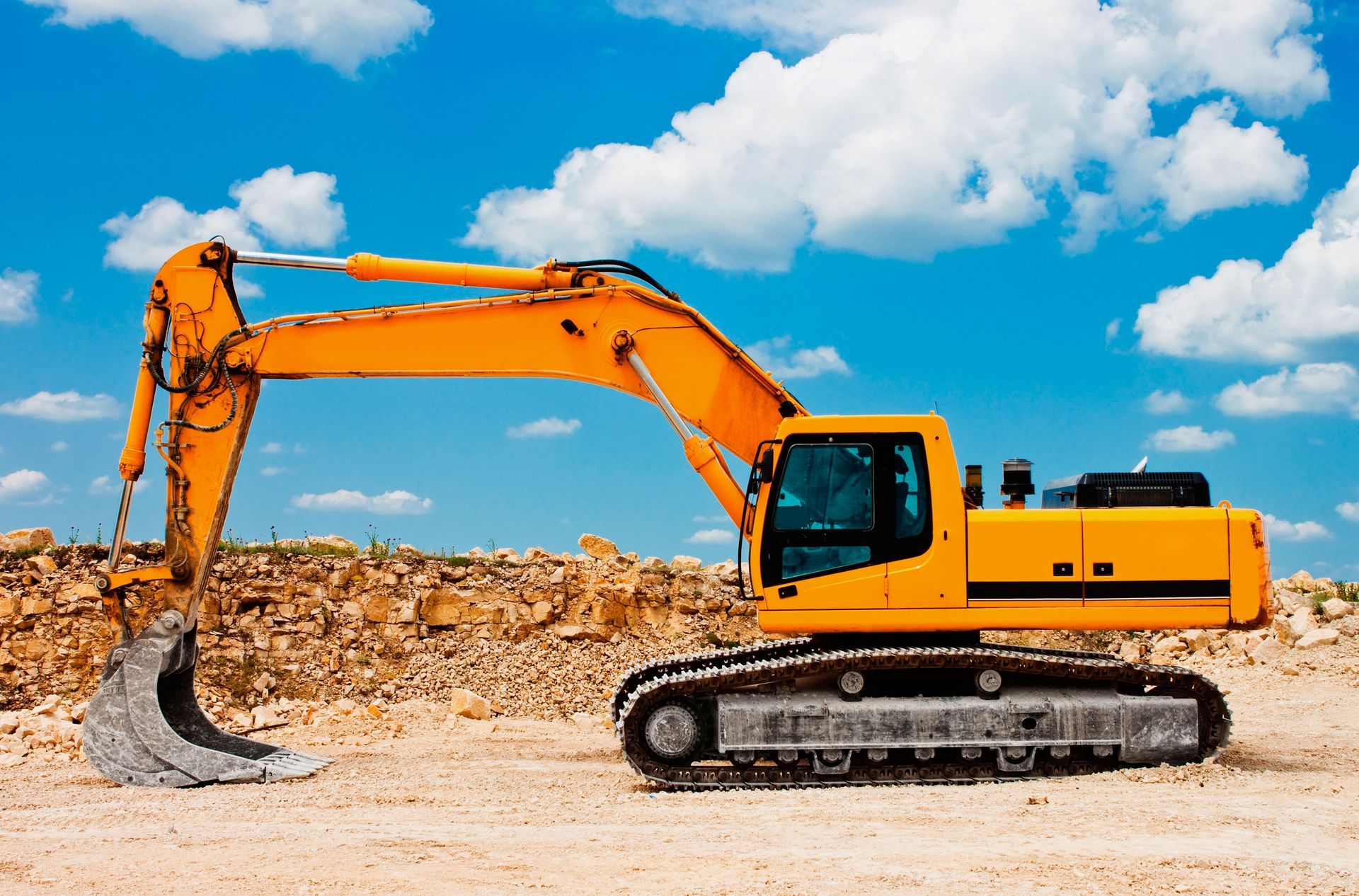
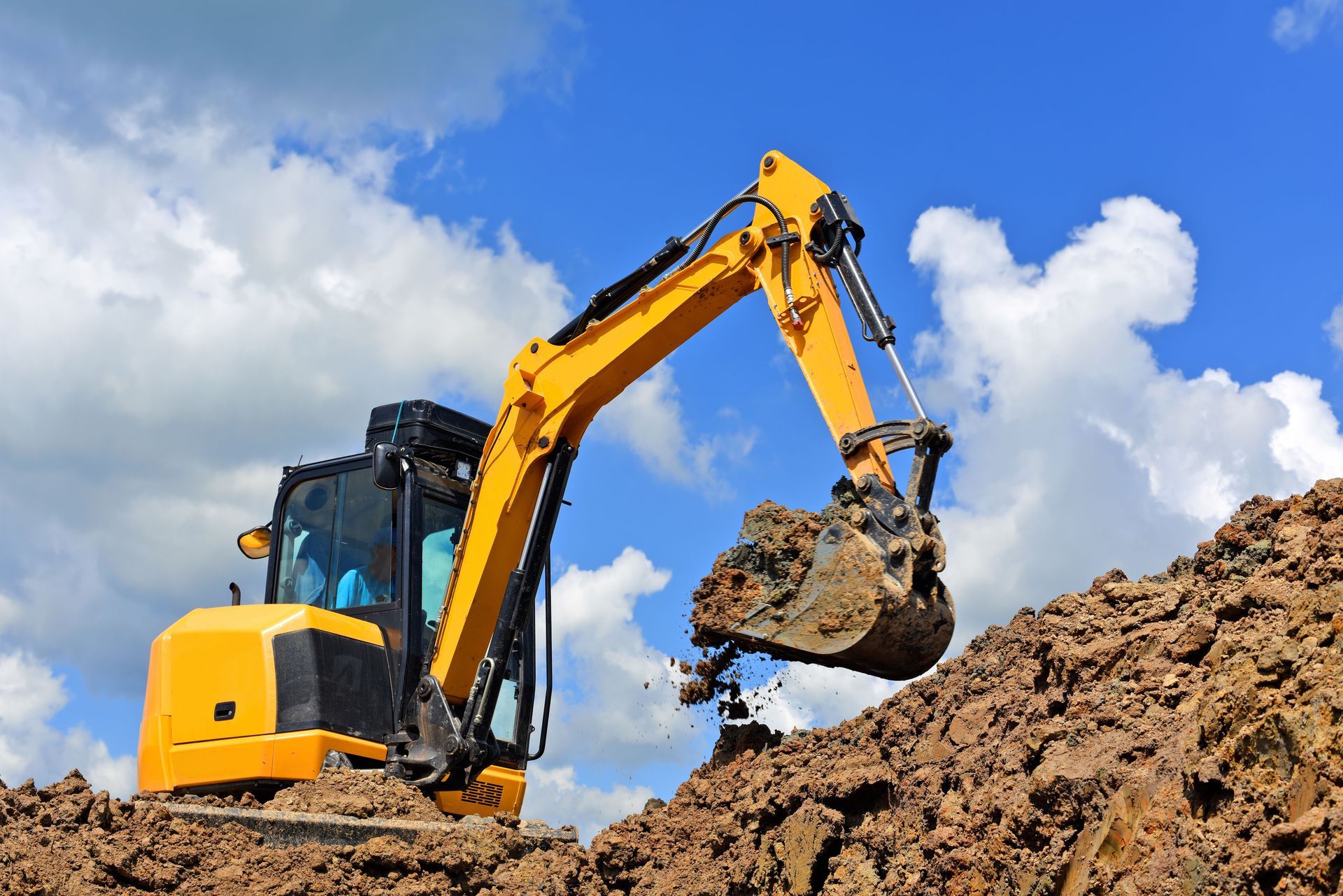
The right machine should be capable of handling the project's workload safely and efficiently. Review factors such as lifting capacity, operating range, size, power, and other relevant specifications. Choosing machinery that is too small can reduce productivity, while oversized equipment may create unnecessary costs or accessibility challenges. When evaluating heavy equipment rentals, confirm that the selected machine matches the actual demands of the work.
Consider Attachments and Versatility
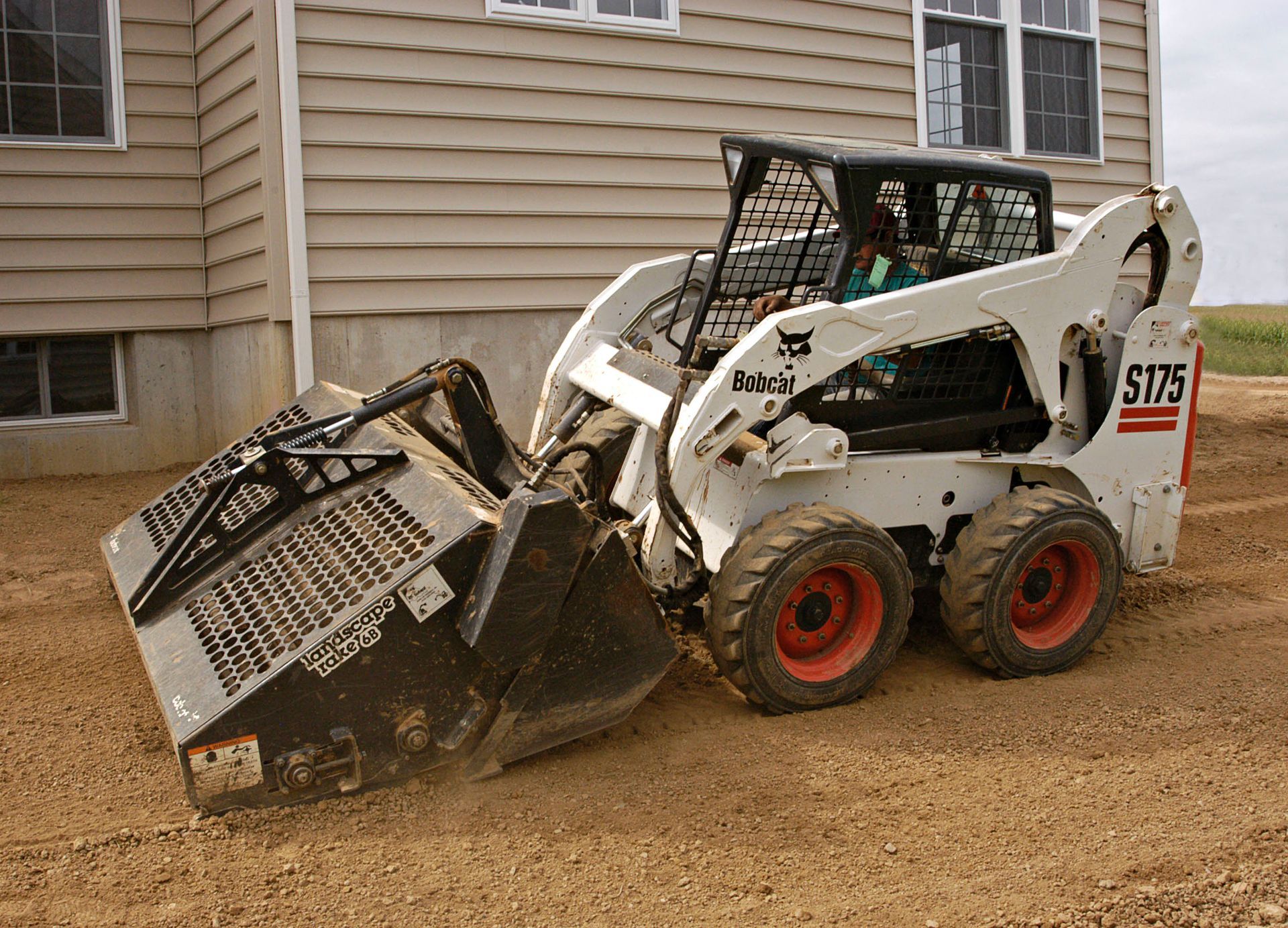
Some machines can accommodate attachments that allow them to perform multiple tasks. Depending on the project, this versatility may reduce the need to rent several separate machines. Ask which attachments are available, whether they are included in the rental rate, and whether additional fees apply. Understanding these options can help you plan equipment use more efficiently and make the most of your heavy equipment rentals.
Evaluate Site Accessibility
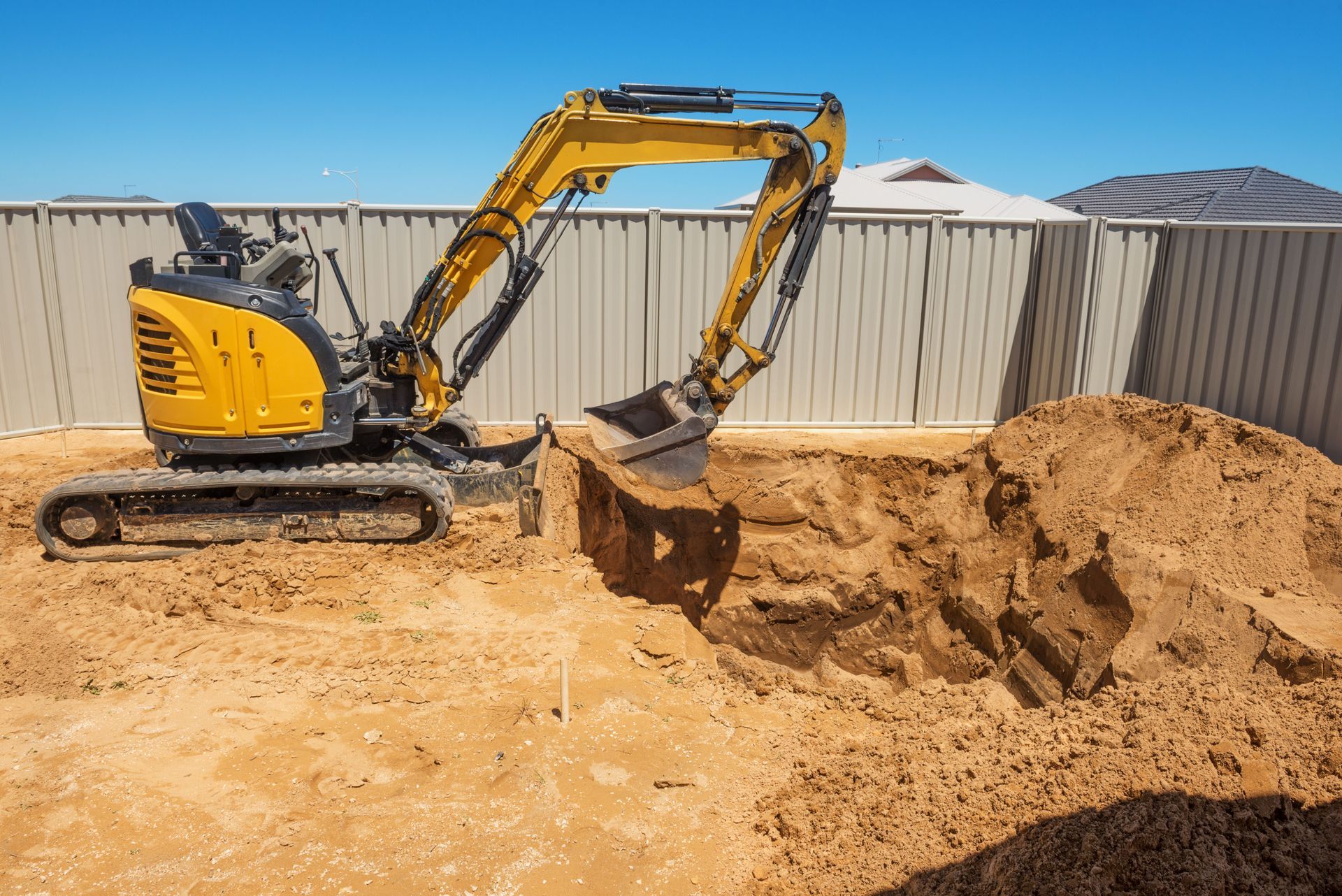
Job-site conditions should also influence equipment selection. Consider the terrain, available workspace, access points, overhead clearance, and other physical limitations. Equipment that cannot maneuver safely around the site may create delays or require additional machinery. Evaluating these conditions before renting can help ensure the selected equipment integrates smoothly into the project.
3. What Will the Rental Cost?
Compare Rental Rates
Rental rates may be calculated by the hour, day, week, or longer term. Compare the available options based on how long the equipment will realistically be needed rather than simply choosing the lowest advertised rate. The construction equipment rental market is substantial, and according to Statifacts, it is valued at $67.54 billion in 2025. Understanding the full cost structure is important when planning a realistic project budget for heavy equipment rentals.
Identify Additional Fees
Ask about charges that may not be included in the base rental price. These could include delivery and pickup, fuel, cleaning, environmental fees, damage charges, or additional hours of use. Requesting a detailed breakdown before signing the agreement makes it easier to compare providers and avoid surprises later.
Ask About Security Deposits
Some rental companies require a security deposit before equipment is released. Find out how much is required, when it will be returned, and what circumstances could result in deductions. Understanding these requirements can help you plan cash flow and avoid confusion when the equipment is returned.
4. What Is the Equipment's Condition?
Request Inspection Reports
Before accepting equipment, ask whether recent inspection reports are available. These documents may reveal existing damage, maintenance needs, or other concerns that could affect performance. Reviewing the equipment's condition before use also gives you an opportunity to document any existing issues and clarify responsibility for them.
Review Maintenance Records
Maintenance records can provide valuable insight into how well a machine has been cared for. Regular servicing may reduce the likelihood of unexpected mechanical problems, while gaps in maintenance could signal potential reliability concerns. Ask about recent service work and whether any major repairs have been completed before committing to heavy equipment rentals.
Consider Equipment Age
Equipment age can affect performance, reliability, and operating costs. Older machinery may have a lower rental rate but could require more maintenance. Newer equipment may offer updated features and safety technology but can cost more to rent. Consider the machine's age alongside the project's requirements and budget.
5. When Will the Equipment Be Available?
Confirm Lead Times
Equipment availability can affect the entire project schedule. Ask how far in advance the machinery must be reserved and confirm the expected delivery date. Early planning is especially important when a project depends on specific equipment or requires several machines at once. Planning ahead can make it easier to secure heavy equipment rentals when demand is high.
Plan for Peak Demand
Equipment demand may increase during busy construction periods, potentially affecting availability and rental rates. If your project falls during a high-demand season, reserving machinery early can reduce the risk of delays. Discuss expected availability with the rental provider and build flexibility into the project schedule when possible.
Discuss Backup Options
Even well-planned projects can experience equipment problems or scheduling changes. Ask what happens if the rented machine becomes unavailable or breaks down. A provider with replacement options or clear contingency procedures can help reduce downtime and keep work progressing.
6. What Support Is Included?
Evaluate Technical Support
Technical assistance can be especially valuable when equipment problems occur during active work. Ask when support is available, how quickly service requests are handled, and whether assistance is included in the rental agreement. Responsive support can help resolve issues before they significantly affect the project schedule.
Ask About Operator Training
Proper equipment operation is important for both safety and productivity. Some rental providers offer guidance or training to help operators understand the machinery and its controls. Ask whether training is available and whether operators need to meet any specific qualifications before using the equipment.
Confirm Emergency Repair Services
Equipment failure can bring work to a standstill, making emergency repair services an important consideration. Ask who to contact when a breakdown occurs, how quickly technicians typically respond, and whether emergency repairs involve additional charges. Knowing the process ahead of time can make equipment problems easier to manage.
Make an Informed Rental Decision
Choosing the right equipment involves more than finding an affordable rental rate. Reviewing rental terms, equipment specifications, costs, condition, availability, and support can help project managers make informed decisions and reduce the risk of unexpected disruptions. Taking time to ask these questions before signing an agreement can also make it easier to choose equipment that fits the project's schedule, site, and budget. With careful planning, heavy equipment rentals can support efficient project operations while helping teams manage their resources responsibly.
For reliable equipment options and support for your next project, contact Coulee Rentals and Sales to discuss your rental needs and find equipment suited to the job.
Share On: